The Best Way to Pack Fragile Items for Moving or Storage
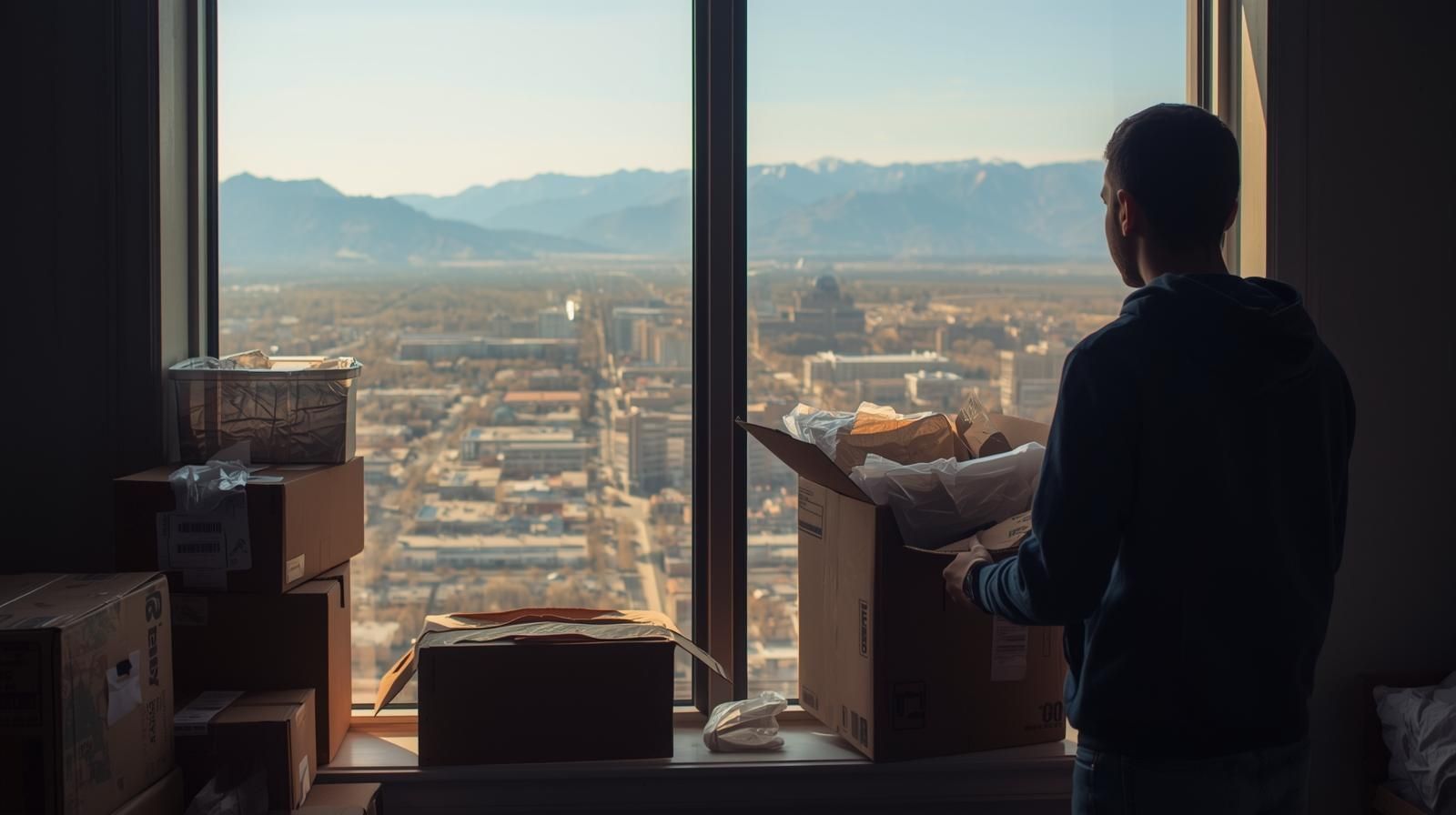
Packing fragile items can be one of the most stressful parts of preparing for a move. For those moving to Salt Lake City, properly protecting glassware, electronics, artwork, and sentimental belongings is especially important during transport or long-term storage.
Using the right packing methods can make a big difference in keeping these delicate belongings safe. Many people preparing for a move or organizing their homes rely on Salt Lake City self-storage to store fragile belongings securely while they transition to a new home.
Whether you are packing dishes, collectibles, or decorative items, learning a few professional packing techniques can help ensure your belongings arrive safely and remain protected while in storage.
Why Proper Packing Matters for Fragile Items
Fragile items are vulnerable to impact, pressure, and shifting during transport. Even small movements within a box can cause cracks or breakage if items are not properly wrapped.
Packing experts emphasize that careful preparation before sealing a box is the most important step in protecting fragile belongings. Using the right materials, providing adequate cushioning, and preventing items from shifting within the box all help reduce the risk of damage.
Taking the time to pack fragile items correctly can save money, prevent frustration, and protect valuable or sentimental possessions.
Gather the Right Packing Supplies
Before packing any fragile items, it is important to have the correct supplies ready. The right materials provide cushioning and prevent items from shifting or colliding during transport.
Common packing materials include:
- Bubble wrap
- Packing paper or foam sheets
- Packing peanuts or cushioning materials
- Strong packing tape
- Sturdy moving boxes
High-quality packing materials help absorb shocks and protect delicate surfaces from scratches or pressure.
Some people also use household items such as towels, blankets, or clothing to add extra cushioning around fragile belongings.
Wrap Each Fragile Item Individually
One of the most important packing rules is to wrap each item separately. When fragile items touch each other inside a box, even small vibrations during transport can cause damage.
Start by placing the item on a sheet of packing paper or bubble wrap. Roll the item carefully so that all sides are protected. For extra fragile items, add multiple layers of cushioning before placing them in the box.
Experts also recommend filling hollow items such as vases or glasses with packing paper to prevent cracks during transport.
This extra step helps reduce pressure from outside forces and keeps items from collapsing or breaking.
Use Strong Boxes and Cushion the Bottom
Choosing the right box is just as important as wrapping the item itself. Fragile items should always be packed in sturdy boxes that can support weight and resist crushing.
Before placing anything inside the box, create a cushioning layer on the bottom using crumpled packing paper, foam, or bubble wrap. This layer absorbs shock if the box is bumped or placed on a hard surface.
Once the bottom is padded, carefully place the wrapped items inside the box.
It is also important to avoid using boxes that are too large. Smaller boxes help prevent items from shifting and make fragile packages easier to carry.
Fill Empty Space Inside the Box
Empty space inside a box is one of the biggest causes of broken items during a move. If fragile objects can move freely, they are more likely to collide with one another.
After placing items in the box, fill any remaining gaps with packing paper, foam, or packing peanuts. This prevents movement and adds additional protection.
Experts often recommend gently shaking the box before sealing it. If you feel movement, add more cushioning until everything remains stable.
This simple test can help ensure your fragile items are packed securely.
Pack Plates and Glassware the Right Way
Kitchen items are among the most commonly broken belongings during a move. Plates and glassware need special attention when packing.
Plates should be packed vertically rather than stacked flat. When positioned upright, they are less likely to crack under pressure.
Glassware and stemware should be wrapped individually and placed carefully in boxes with ample padding. Adding cardboard dividers can help prevent items from touching.
Labeling boxes clearly also helps movers and helpers understand that extra care is needed when handling them.
Label Fragile Boxes Clearly
Clear labeling is one of the simplest ways to protect delicate belongings.
After sealing a box, mark it with labels such as “Fragile” or “Handle With Care.” You can also draw arrows to show which side should remain upright.
Many moving experts also suggest labeling boxes with the room where the items belong. This makes unpacking easier and reduces unnecessary movement of fragile packages during the move.
Creating a basic inventory list of valuable items can also help keep track of important belongings.
Consider Climate Conditions When Storing Fragile Items
Temperature and humidity can affect certain fragile items over time. Electronics, artwork, photographs, and antiques may require additional protection from environmental changes.
Salt Lake City’s climate features hot summers and cold winters, so packing items for storage carefully is especially important. The Salt Lake City Government climate resources explain the seasonal weather patterns residents typically experience.
When storing delicate belongings, protective wrapping and proper containers can help reduce the impact of temperature changes.
When Storage Helps Protect Fragile Items
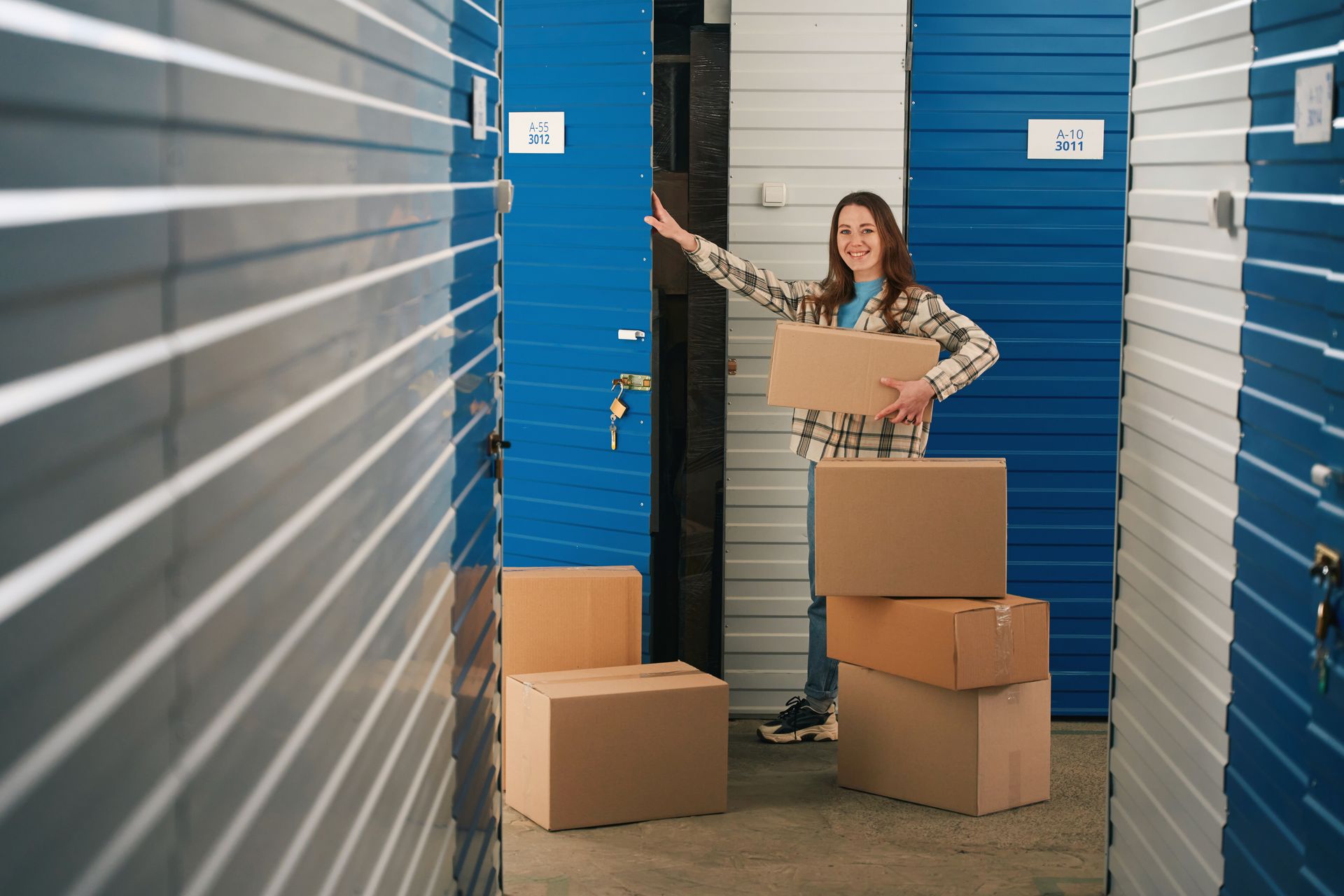
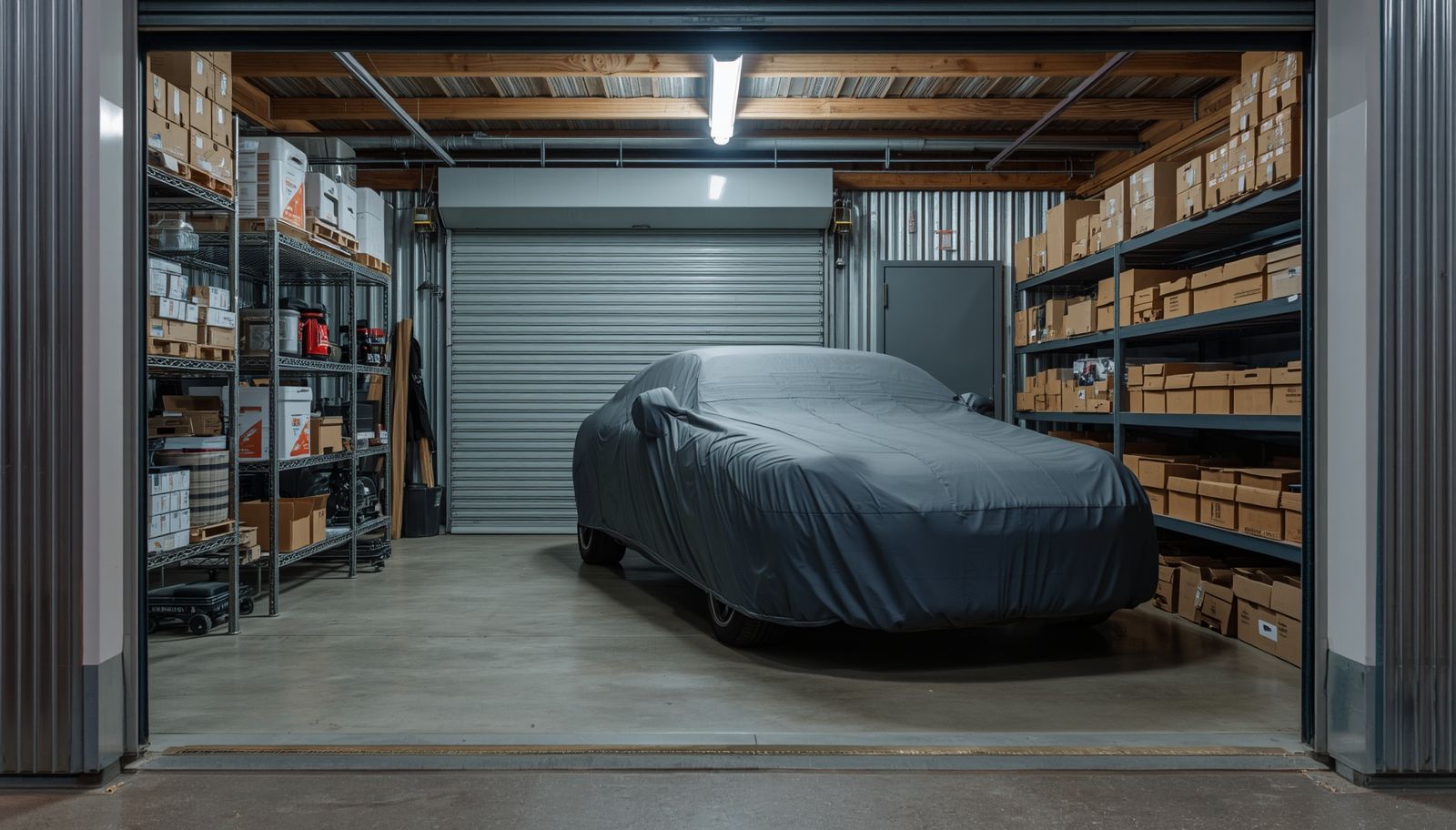
Sometimes fragile items need to be stored temporarily during a move or while reorganizing a home. Storage units can provide a safe place to keep these belongings protected until they are needed again.
Many residents moving around northern Utah use storage during relocation or downsizing. Resources like Visit Salt Lake tourism and relocation resources offer helpful information for people relocating to the area and adjusting to life in the region. If you're relocating and planning a home purchase or sale, check out our guide to working with a real estate agent in Salt Lake City.
Storage units are especially helpful for seasonal items, collectibles, or decorations that are not used year-round.
Final Thoughts on Packing Fragile Items
Packing fragile belongings may take extra time, but the effort is worth it. Using proper packing materials, wrapping items carefully, and filling empty space in boxes can greatly reduce the risk of damage.
Whether you are preparing for a move, organizing your home, or storing valuable items, following these packing techniques helps protect the things that matter most.
If you need additional space while packing or relocating,
self-storage in Salt Lake Citycan provide a convenient and secure place to keep fragile items protected until you are ready to use them again.