A Complete Guide to Storing a Boat Safely and Correctly
Owning a boat is a great way to enjoy time on the water, but storing it properly when it is not in use is just as important as how you use it.
Whether you are preparing for winter, downsizing, or simply need a secure place between outings, knowing how to store a boat correctly can help prevent damage and extend its lifespan.
Many boat owners choose Corporate Storage to keep their investment protected and ready for the next season. From small fishing boats to larger recreational vessels, proper storage is about planning, preparation, and choosing the right environment.
Why Proper Boat Storage Matters
Boats are exposed to more wear than many people realize. Sun, moisture, freezing temperatures, pests, and long periods of inactivity can all cause damage if a boat is not stored correctly.
Even short gaps between seasons can lead to issues like cracked hoses, mold growth, corrosion, or faded finishes.
Proper storage helps protect both the exterior and interior of your boat. It also reduces maintenance costs over time and makes it easier to get back on the water when the season starts again.
Decide Where You Will Store Your Boat
Before preparing your boat, the first decision is where it will be stored. Boat owners typically choose between home storage and professional storage facilities.
Storing a boat at home may work for very small boats, but it often comes with challenges such as limited space, local parking restrictions, and exposure to the elements.
Many neighborhoods and homeowner associations restrict boat parking, making off-site storage a more practical option.
Professional storage facilities offer more space, better security, and easier access. Many facilities are designed to handle boats safely and efficiently, especially during long-term storage.
For people relocating from out of state, understanding local storage options is part of settling in, and our Moving to Salt Lake City guide walks through common considerations for new residents.
Clean Your Boat Thoroughly Before Storage
Cleaning your boat before storage is one of the most important steps and one of the most overlooked. Dirt, salt, algae, and food residue can attract pests or cause staining if left behind.
Start by washing the exterior with fresh water and a boat-safe cleaner. Pay special attention to the hull, deck, and any crevices where grime can collect. Inside the boat, remove all trash, food, and personal items.
Upholstery and carpets should be cleaned and allowed to dry completely. Moisture left inside the boat can lead to mold and mildew during storage.
Drain All Water and Protect the Engine
Water left in a boat can freeze, expand, and cause serious damage. Drain all water from live wells, bilges, and cooling systems. If your boat has an onboard water system, be sure it is fully emptied.
Engine care is critical before storage. Follow the manufacturer’s recommendations for winterizing or long-term storage. This may include flushing the engine, changing the oil, and adding fuel stabilizer.
Resources like BoatUS offer detailed engine and system preparation steps that apply to many types of boats.
Remove or Disconnect the Battery
Boat batteries can lose charge or corrode if left unattended during storage. Disconnecting the battery helps prevent drainage and electrical issues.
Many boat owners choose to remove the battery entirely and store it in a cool, dry place. If you do this, make sure the battery is fully charged before storage and check it periodically during long-term storage.
Protect the Interior and Exterior
Once the boat is clean and dry, protecting it from dust, moisture, and pests is essential. A quality boat cover is one of the best investments you can make. Covers help block sunlight, prevent debris buildup, and reduce moisture exposure.
If you are storing your boat outdoors, make sure the cover is tightly secured and allows airflow to prevent condensation. Indoor or covered storage provides even more protection, especially for upholstery and finishes.
According to Discover Boating, proper covering and ventilation are key to preventing long-term damage.
Choose the Right Type of Storage
Boat storage generally falls into three categories: outdoor uncovered, outdoor covered, and indoor storage. Each option has its advantages depending on your budget and the level of protection you want.
Outdoor uncovered storage is often the most affordable but provides the least protection from weather and sun exposure. Outdoor covered storage offers shade and some weather protection while remaining accessible.
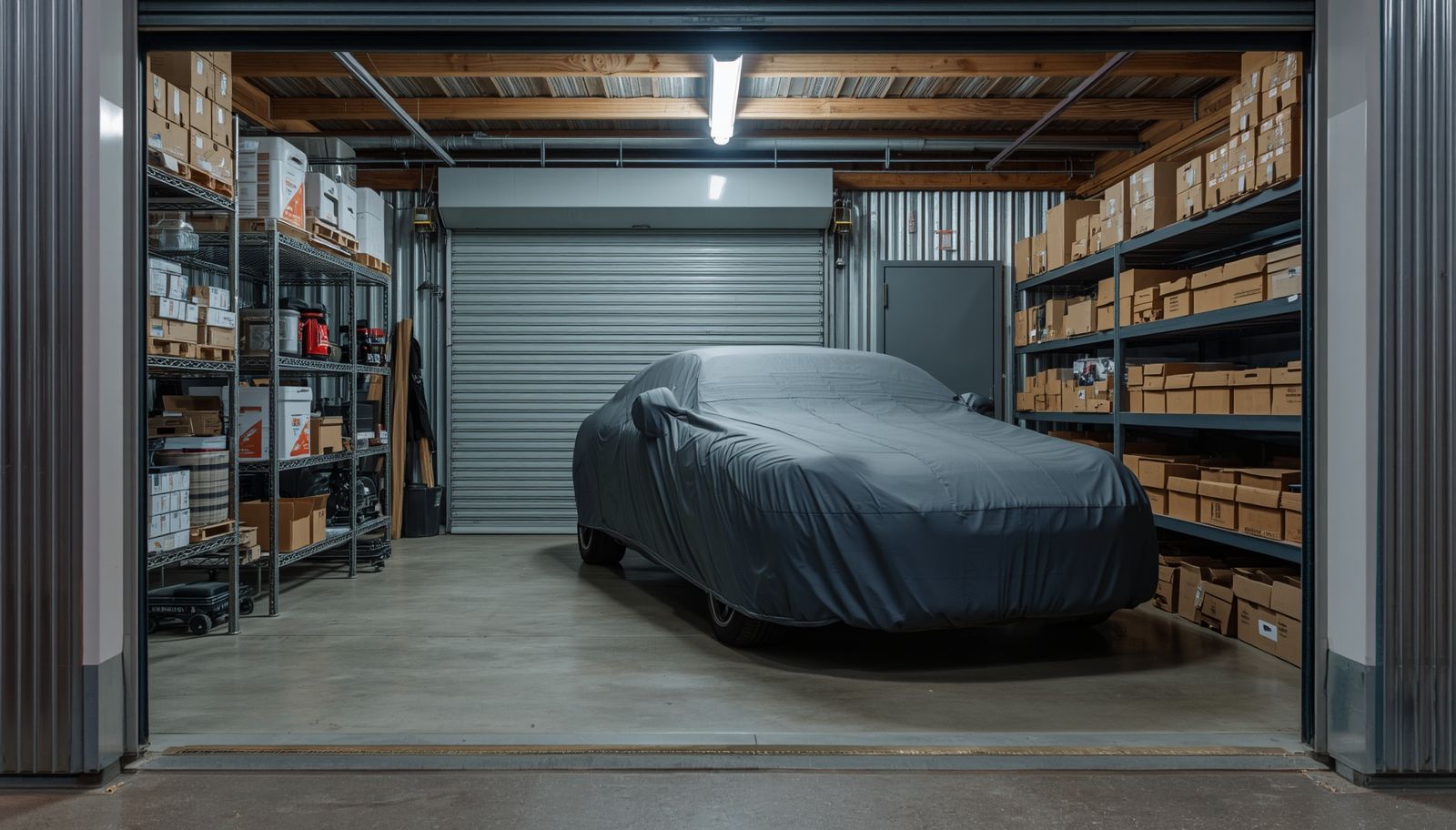
Indoor storage provides the highest level of protection. It shields boats from temperature swings, UV damage, precipitation, and pests.
For long-term storage or higher-value boats, indoor storage is often the preferred choice.
Consider Long-Term vs Short-Term Storage Needs
How long you plan to store your boat should influence how you prepare it. Short-term storage between outings may require less preparation, while long-term storage demands more thorough steps.
For long-term storage, it is especially important to address fuel systems, seals, hoses, and ventilation. Covers should be checked periodically, and storage conditions should be inspected if access allows.
Taking these extra steps helps ensure your boat remains in good condition even if it stays parked for several months.
Trailer Considerations for Boat Storage
If your boat is stored on a trailer, the trailer itself needs attention. Check tire pressure and consider placing the trailer on blocks to reduce tire stress during long storage periods.
Lubricate moving parts, inspect lights and wiring, and make sure the hitch and safety chains are secure. Covering the tires can also help protect them from sun damage if stored outdoors.
How Climate Affects Boat Storage
Climate plays a big role in how boats should be stored. In areas with freezing winters, protecting against ice damage is critical. In warmer climates, sun exposure and humidity are bigger concerns.
Temperature changes can cause materials to expand and contract, leading to cracks or leaks over time. Controlled storage environments help reduce these risks and keep boats in better condition year-round.
Common Mistakes Boat Owners Make When Storing a Boat
One of the most common mistakes is skipping the cleaning process. Storing a dirty boat almost guarantees issues later.
Another mistake is leaving water in the boat or in the engine system. Even small amounts of water can cause expensive damage if temperatures drop.
Some owners also choose storage locations solely on price, without considering security or protection. Saving a little upfront can lead to much higher repair costs later.
How Long Can a Boat Stay in Storage
Boats can remain in storage for months or even years if properly prepared. Long-term storage requires more attention, including periodic inspections and maintenance.
Checking covers, ventilation, and battery condition every few months helps catch small problems before they become serious. When it is time to take the boat out of storage, a thorough inspection ensures everything is ready for use.
Preparing Your Boat to Come Out of Storage
When the storage period ends, remove the cover and inspect the boat carefully. Check for signs of pests, moisture, or wear. Reconnect the battery, inspect fluid levels, and test electrical systems.
Before heading to the water, run the engine according to manufacturer guidelines and confirm that safety equipment is onboard and in good condition.
Why Professional Boat Storage Makes Sense
Professional storage facilities offer peace of mind that is hard to replicate at home. Security features, controlled access, and ample space make storing and retrieving a boat easier.
Facilities designed for large vehicles and equipment also reduce the risk of accidental damage during parking or transport. For many boat owners, professional storage simplifies ownership and protects their investment.
Final Thoughts on Storing a Boat Properly
Storing a boat the right way takes some effort, but the payoff is worth it. A properly stored boat lasts longer, performs better, and requires fewer repairs over time. From cleaning and engine care to choosing the right storage environment, each step plays a role in protecting your boat.
If you are looking for a reliable place to keep your boat secure between seasons or outings,
boat storage in Salt Lake Cityoffers the space and protection needed to store your boat with confidence.