How to Pack a Storage Unit for Easy Access and Better Organization
Packing a storage unit is easier when you have a plan before the first box goes through the door. Simply filling every available inch may seem efficient, but it can leave you digging through furniture and stacks of boxes the first time you need something. A little organization can help you use your space efficiently while keeping your belongings easier to find and retrieve.
Whether you are moving, downsizing, renovating, or simply trying to clear space at home, storage units near Salt Lake City can give you room for belongings you do not currently need. Before moving everything into your unit, decide what will be stored, how often you might need access to it, and which items require extra care.
Start by Sorting What You Plan to Store
Before packing boxes, go through your belongings and decide what actually needs to go into storage. Moving is a good opportunity to separate things you want to keep from items you can donate, recycle, sell, or discard. There is little benefit in paying for storage space occupied by things you already know you no longer want.
West Valley City residents can check the city's garbage and recycling resources when deciding what to do with unwanted belongings. The city provides information about recycling, bulky waste, hazardous materials, neighborhood dumpsters, and collection schedules. Certain materials require special handling, so it is worth checking local guidance rather than putting everything in a regular trash or recycling container. Once you know what is going into storage, group similar items together. Keeping kitchen supplies, seasonal decorations, clothing, books, tools, and recreational equipment in separate groups will make the rest of the packing process much easier.
Use Sturdy Boxes in Consistent Sizes
Cardboard boxes are much easier to stack when they are similar in size and strong enough to support the weight above them. Avoid overloading large boxes with books, dishes, or other heavy belongings. Smaller boxes are usually easier to carry and less likely to collapse when used for heavier items.
Fill empty spaces in boxes so contents do not shift excessively during transportation. Packing paper, towels, blankets, and other soft materials can help fill gaps. Seal each box securely once it is packed.
Fragile belongings deserve additional attention before they are placed in a box or storage unit. Our guide to packing fragile items for moving and storage covers ways to prepare dishes, glassware, electronics, artwork, and other breakable belongings.
Label Every Box Clearly
A box labeled "miscellaneous" will probably make sense on packing day and mean absolutely nothing six months later. Instead, label boxes according to both the room and their general contents. "Kitchen: baking supplies" is much more useful than simply writing "kitchen."
Place labels on more than one side so you can identify a box even when another box is stacked on top of it. Numbering your boxes and keeping a simple inventory on your phone can also help if you are storing a large household. For especially important boxes, add a note such as "access first." Those boxes should eventually be positioned near the front of the unit rather than buried behind furniture.
Create a Layout Before You Start Loading
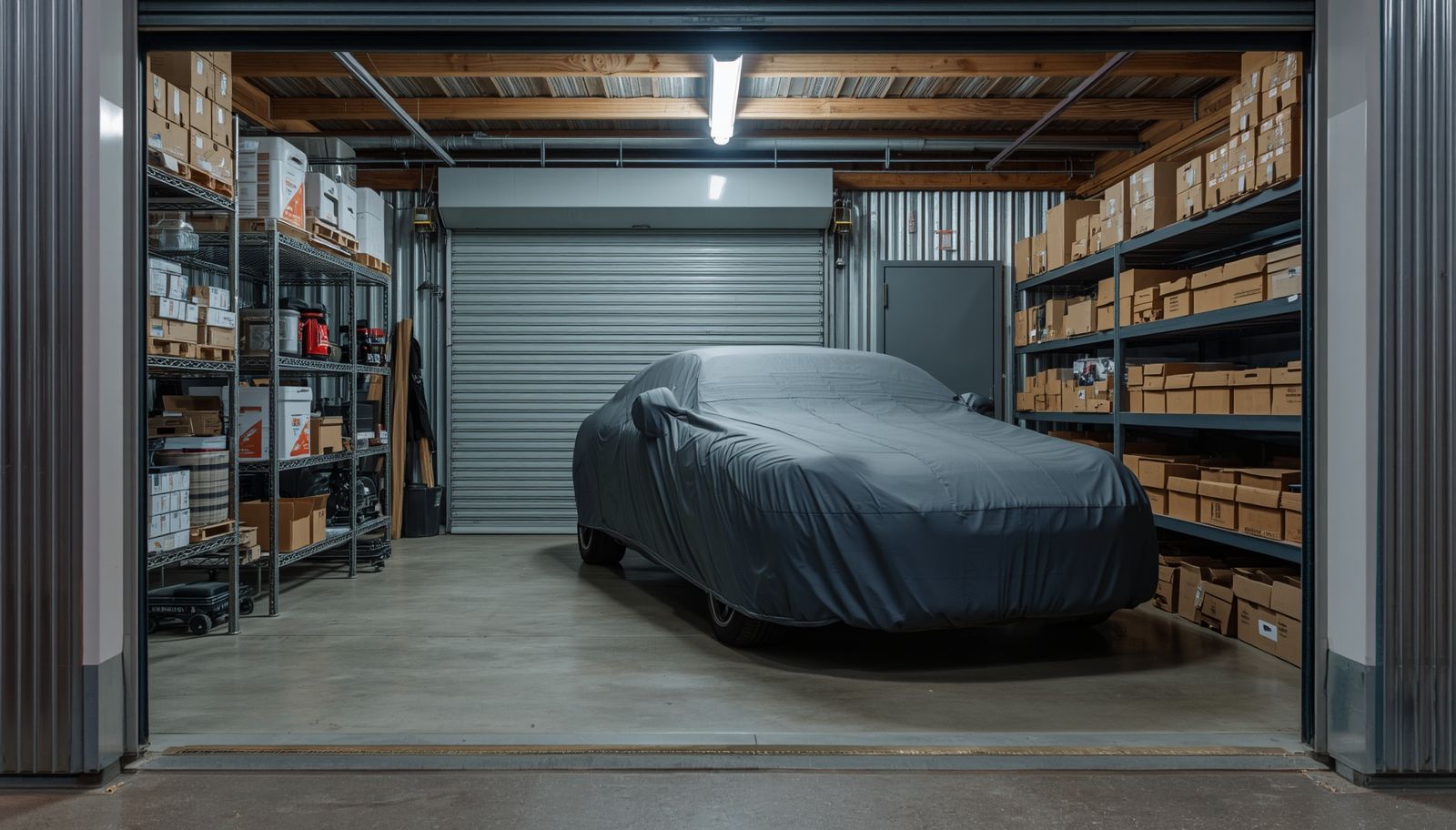
One of the most useful tips for packing a storage unit is to decide where things will go before you start unloading. Large furniture and belongings you rarely need can generally go toward the back. Items you expect to retrieve should remain closer to the entrance. Try to leave a narrow walkway through the unit rather than packing everything from wall to wall. Losing a little floor space to an aisle can save considerable time later because you will not have to remove half the unit to reach a box at the back.
If you have a larger unit, consider creating sections. Holiday decorations might occupy one area, outdoor gear another, and household furniture another. A simple organization system makes the space much more functional over time.
Put Heavy Items on the Bottom
When stacking boxes, start with the heaviest and strongest boxes at the bottom. Lighter and more fragile boxes should stay toward the top. This reduces the chance that a heavy box will crush something underneath it. Furniture can sometimes provide additional storage space, too. Empty shelving units and sturdy bookcases can hold lighter boxes or containers rather than taking up vertical space without serving another purpose.
Avoid building stacks that are unstable or difficult to reach safely. Using the vertical space in a storage unit is helpful, but only when the stacks remain secure and manageable.
Prepare Furniture Before Storing It
Clean furniture before it goes into storage so dirt, crumbs, and moisture are not packed away with it. If possible, disassemble larger pieces such as bed frames, tables, and shelving units. Keep screws, bolts, and other hardware together in labeled bags and attach them securely to the corresponding furniture.
Protect furniture with appropriate covers or breathable materials. Moving blankets can also help protect surfaces while furniture is being transported and arranged. Stand long, narrow items carefully where appropriate, but avoid balancing heavy pieces in ways that could make them fall. Your goal is to save space without creating an unstable storage arrangement.
Keep Frequently Used Items Near the Front
Think about what you may need during the months your belongings are stored. Holiday decorations, winter clothing, camping gear, tools, business supplies, and sports equipment may need to be removed at different times of the year.
West Valley City has numerous parks and recreational spaces with amenities ranging from walking trails and sports fields to playgrounds and courts. If you regularly use outdoor equipment at places around the city, keeping bikes, sports gear, or seasonal recreation equipment accessible can save you from having to rearrange your entire unit each time you want to use it. The official West Valley City Parks and Recreation website can also help residents find parks, recreation programs, sports, pools, community events, and other activities around the city. If you rotate outdoor gear by season, consider organizing it together near an accessible part of your unit.
Store Seasonal and Recreational Equipment Together
Grouping seasonal belongings makes it much simpler to rotate items in and out of storage. Keep winter gear together, holiday decorations in another section, and summer recreational equipment in its own area. Clearly marked containers will help you identify what you need without opening several boxes.
Larger recreational belongings require their own planning. If you own a boat and are preparing it for a period when it will not be used, our guide on how to store a boat explains additional steps to consider before putting it away. Avoid placing small seasonal items randomly around larger equipment. Keeping related belongings together gives the unit a logical structure that will still make sense months later.
Make an Inventory of Your Storage Unit
You do not need an elaborate spreadsheet to keep track of your belongings. A basic list on your phone can be enough. Note the general contents of the unit and the locations of important boxes.
Taking a few photos once everything is packed can also provide a quick visual reference. If you later wonder whether an item is at home or in storage, checking a photo or inventory may save you a trip. Update the inventory whenever you add or remove a significant number of belongings. The system only needs to be detailed enough to help you remember what is there.
Pack Your Storage Unit With Future Access in Mind
Learning how to pack a storage unit is less about fitting in as much as possible and more about creating a space that stays useful. Strong boxes, clear labels, stable stacks, an accessible walkway, and a basic inventory can make a noticeable difference when you return weeks or months later. Before closing the door, take one final look at the arrangement. Make sure frequently used belongings are accessible, fragile items are protected, and nothing appears unstable. A few extra minutes of organization on move-in day can prevent a lot of unnecessary unpacking later.
If you need additional room for a move, renovation, seasonal belongings, or everyday household storage,
storage units in West Valley City can help you create more space at home while keeping the belongings you want to hold on to organized and accessible.